
A collections team can make thousands of calls and still be left with the same question: are more customers paying?
Voice AI can help banks reach more accounts, but making contact is only the beginning. A customer may answer, discuss a payment and still need help before they can follow through. Meanwhile, a call that looks successful in a campaign report may create more work for a collector later.
That is why an AI collections programme needs a broader view of performance. The most useful measures connect what happens on the call with what happens afterwards: payments, customer experience and the work left for the team.
What should banks measure in AI collections?
Start by looking at the journey from an eligible account to a confirmed outcome. Each stage answers a different question:
| Stage | What to measure | What it helps you understand |
|---|---|---|
| Reach | Eligible accounts contacted and connection rate | Are you reaching the customers you intended to contact? |
| Conversation | Verified identity, completed conversations and reasons captured | Are conversations producing useful information? |
| Commitment | Promises to pay, agreed amounts and dates | Are customers agreeing on a next step? |
| Payment and recovery | Kept promises, payments received and recovery or cure rate | Are those commitments turning into confirmed outcomes? |
| Customer treatment | Complaints, disputes, opt-outs and repeat contacts | Are customers getting the right support? |
| Team workload | Handoffs, reasons for escalation, staff rework and time to resolution | Where does your team need to take over, and how much work remains? |
Looking at these measures together helps you see where progress stops—from reaching the intended customer to receiving a payment.
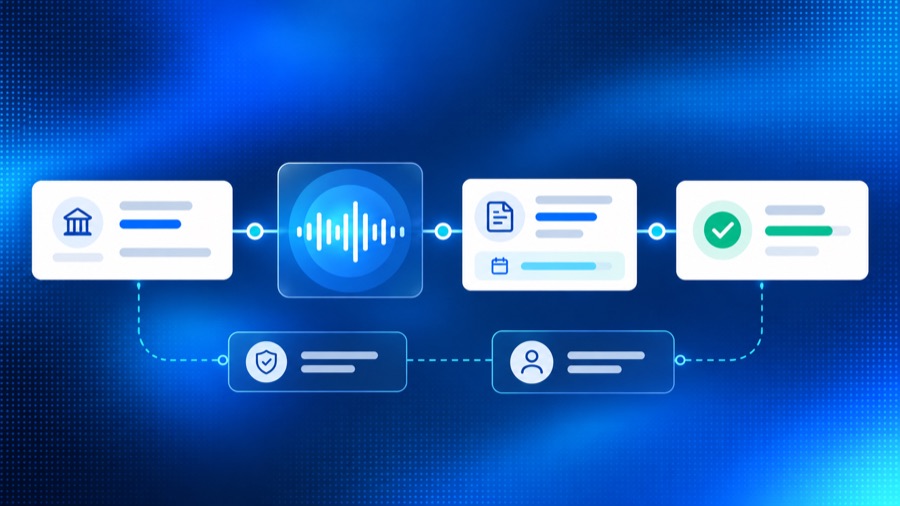
Measure customer reach, not just call volume
Call volume shows how much outreach is taking place. It does not show how many different customers have been reached. If one account receives several calls, counting each attempt as a separate success can give the team a misleading picture of coverage.
Look at eligible accounts reached as well as calls made, and distinguish a connected call from a conversation with the intended customer. If connection is low, the issue may lie in contact details, timing or whether customers can be reached through the chosen channel. Those questions point to different actions from simply increasing call volume.
The conversation also adds context: whether the intended customer was able to discuss the account, what they said about repayment and whether they needed support. This helps the team understand why an account did or did not move forward.
Track promises to pay through to recovery
A promise to pay is a useful sign of progress, but it is not the same as money received. Imagine a campaign that reaches more customers and records more promises, while only a small share of those promises are kept. More calls alone may not solve the problem.
The next step is to understand what happens between the conversation and the agreed payment date. Customers may need a reminder, a different arrangement or help from a person. Reviewing the commitments made alongside verified payments can show where follow-up needs attention.
Match outcomes to the account and check payments against the bank's records. Give customers enough time to act before judging whether a promise was kept, and use consistent rules for cases such as partial payments. Other contacts or channels may also have influenced a payment; the result should not automatically be attributed to one AI call.
See where customers and collectors need support
Voice AI can handle routine conversations such as approved repayment reminders and capture what a customer says they plan to do next. That can give collectors more time for situations that need their judgement.
Some conversations need a person. Customers facing hardship, raising a dispute or discussing a complex repayment arrangement should have a clear route to an employee. The same applies to complaints or unresolved identity checks. When a call is transferred, giving the employee relevant context and any recorded commitment helps the customer continue without starting over.
Handoff volumes are useful, but the reason for a handoff matters just as much. A transfer may be the right outcome when a customer needs specialist help. Repeated contacts or rework, on the other hand, can indicate that information was missing or that the next step was unclear. Looking at complaints and disputes alongside these measures helps the bank assess the experience, not just the speed of the campaign.
How a Singapore digital bank scaled collections outreach
As a leading Singapore digital bank grew, its collections team faced more outbound calls than it could readily handle manually. The bank needed to reach customers at greater scale while managing conversations in a multilingual environment.
The bank used Dyna.Ai Voice Agent for outbound collections and customer engagement, integrating it with its telephony system. The deployment handled more than 1,000 outbound calls per hour and achieved 3× collections efficiency. It also supported conversations that switch between English, Singlish and Mandarin.
These results illustrate the operational reach of this deployment. They do not, on their own, show how many calls led to verified payments. For a bank evaluating its own programme, combining outreach measures with payment outcomes and customer experience provides a fuller picture.
Measuring results before you scale
A pilot gives you a chance to answer that question with a defined group of accounts before expanding the programme. Choose a group that reflects the use case you want to assess, then follow the same accounts from contact through to payment and any subsequent handoff.
Where possible, compare results with a similar group following your existing process. A comparable historical period can also provide context, although changes in customer mix, policies or other contact channels make it harder to isolate the effect of AI. Either way, allow enough time for customers to make agreed payments before drawing conclusions.
Include the costs of AI usage, telephony, integration and oversight, as well as transfers and repeat work. Together with recovery and customer experience, these costs help show whether the programme is delivering value across the full process.
Keep repayment follow-ups moving
Dyna.Ai Collection Agent helps teams reach eligible accounts, record promises or exceptions, and route complex cases to a person. Book a demo to see the workflow in action.